


Are quartz and quartzite the same material?
Quartz and quartzite are not the same material, even though the names sound almost identical. Quartz is an engineered countertop surface made with natural quartz minerals, resins, and pigments, while quartzite is a natural stone formed deep in the earth from sandstone exposed to heat and pressure.
This difference matters because the two materials behave differently in real kitchens. Quartz is known for easy maintenance and consistent design. Quartzite is known for natural strength, heat resistance, and dramatic stone movement.
At granite Depot of Columbus, we explain this comparison often because homeowners hear both names and assume they are simply two versions of the same product. They are not. For homeowners comparing granite companies Delaware, Ohio, understanding this difference can prevent the wrong choice before fabrication and installation begin.
What is quartz made of?
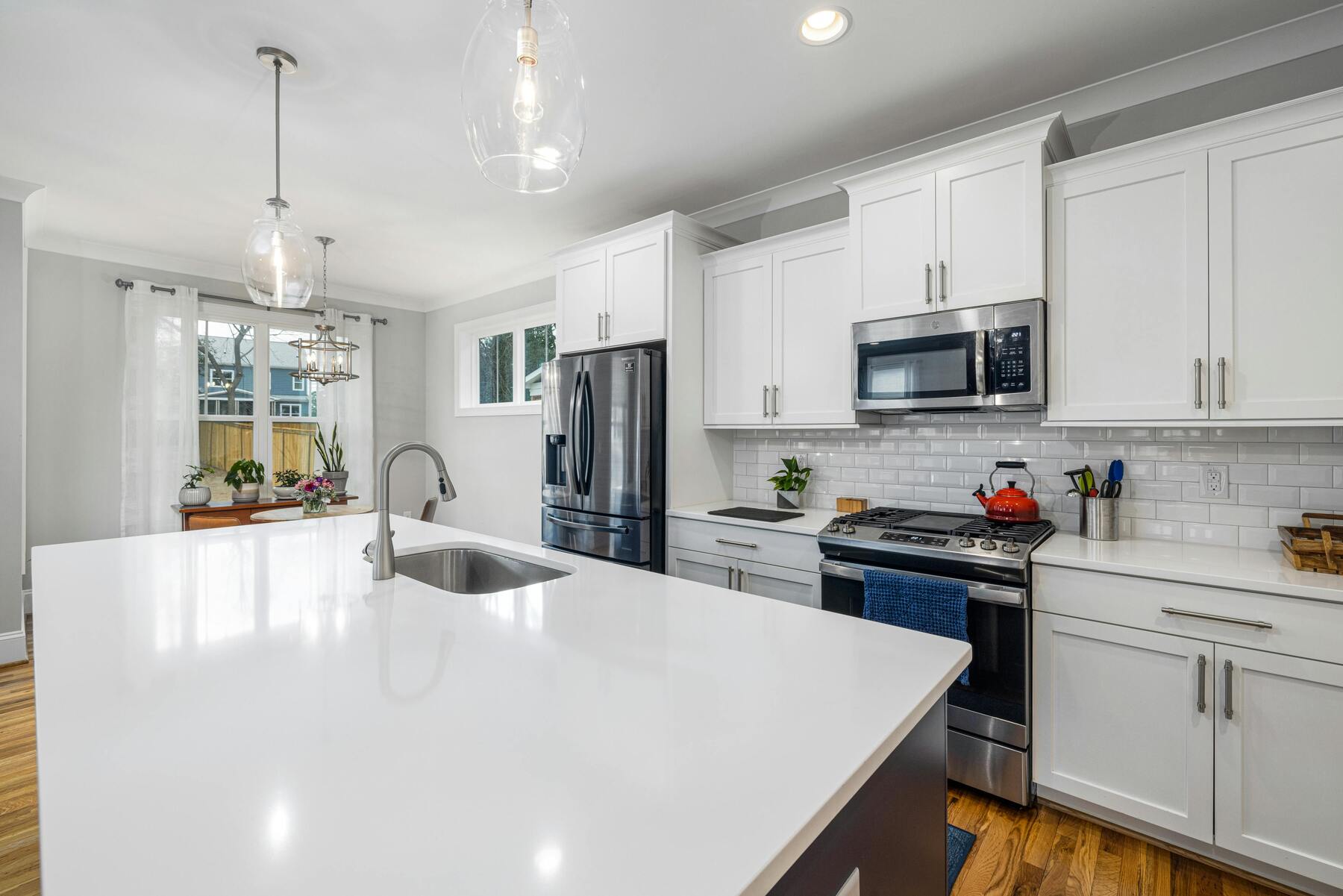
Quartz countertops are engineered surfaces made from natural quartz minerals combined with resin binders and color pigments. This gives quartz a consistent look, a nonporous surface, and many color options.
The biggest benefit of quartz is predictability. If a homeowner wants a soft white surface with light veining, a warm beige tone, or a bold marble-style pattern, quartz can provide that look with more consistency than natural stone.
Quartz is especially practical for busy families. It does not need sealing, it resists stains well, and it is simple to clean with mild soap and water. The tradeoff is heat sensitivity. Because quartz contains resin, direct heat from hot pans can damage the surface.
What is quartzite made of?
Quartzite is a natural stone that begins as sandstone and becomes harder through natural heat and pressure. It is quarried from the earth, cut into slabs, polished or finished, and fabricated into countertops.
Quartzite is often chosen by homeowners who want a surface that feels natural and unique. No two quartzite slabs are exactly the same. Many quartzite slabs have movement that resembles marble, but quartzite is typically harder and more durable than marble.
Quartzite usually needs sealing because it is a natural stone. With proper sealing and care, it can perform very well in kitchens, bathrooms, islands, and high-use areas. It is often more expensive than quartz, but many homeowners choose it for its strength and natural beauty.
How do quartz and quartzite compare side by side?
Quartz is usually better for low-maintenance living, while quartzite is usually better for homeowners who want a strong natural stone with high heat resistance. The right choice depends on how the kitchen will be used every day.
| Feature | Quartz | Quartzite |
|---|---|---|
| Material type | Engineered surface | Natural stone |
| Main ingredients | Quartz minerals, resin, pigments | Natural metamorphic stone |
| Appearance | Consistent patterns and colors | Unique natural veining |
| Sealing required | No | Usually yes |
| Stain resistance | Very high | Good with sealing |
| Heat resistance | Moderate | High |
| Scratch resistance | High | Very high |
| Maintenance level | Low | Medium |
| Starting price | $55 per sq ft | $75 per sq ft |
For homeowners searching granite companies Delaware, Ohio, this table helps clarify the main decision. Quartz is not “fake stone” in a negative sense. It is a practical engineered surface. Quartzite is not “a type of quartz countertop.” It is a natural stone with its own performance profile.
Which one is stronger: quartz or quartzite?
Quartzite is usually stronger in terms of natural hardness and heat resistance. Quartz is stronger in terms of stain resistance and daily maintenance.
This is why the word “stronger” can be confusing. If a client means, “Which material handles hot pans better?” quartzite has the advantage. If they mean, “Which material is easier to keep clean and stain-free?” quartz usually has the advantage.
| Daily concern | Better choice | Why |
|---|---|---|
| Hot pans | Quartzite | Natural stone handles heat better |
| Coffee or wine spills | Quartz | Nonporous surface resists staining |
| Low maintenance | Quartz | No sealing needed |
| Natural stone movement | Quartzite | Each slab is unique |
| Consistent color | Quartz | Designed patterns are more predictable |
| Heavy kitchen use | Both | Depends on habits and care |
At granite Depot of Columbus, we usually ask clients how they cook before we recommend a material. A person who uses the kitchen lightly may love quartz for its easy care. A serious home cook who values natural stone may prefer quartzite.
Which material is better for kitchen countertops?
Quartz is better for homeowners who want low maintenance, while quartzite is better for homeowners who want natural stone strength and unique slab movement. Both can work beautifully in kitchens when the material matches the household.
A busy family with kids, frequent spills, and little patience for sealing may be happier with quartz. The surface is easy to wipe down and does not require special maintenance. It is also available in many colors that work with white, gray, wood, navy, black, or two-tone cabinets.
Quartzite may be the better choice for someone who wants a premium natural stone look. It works well with painted cabinets, white oak, birch cabinet interiors, plywood cabinet boxes, and high-end kitchen layouts. It also pairs beautifully with large islands because the natural veining can become a focal point.
How do quartz and quartzite prices compare?
Quartz usually starts at $55 per square foot, while quartzite usually starts at $75 per square foot. Quartzite costs more because it is natural stone, often harder to quarry, and can require more careful fabrication.
Here is a broader material price comparison we often review with homeowners:
| Countertop material | Starting price per sq ft | Best for |
|---|---|---|
| Granite | $45 | Natural durability and classic stone movement |
| Quartz | $55 | Low-maintenance kitchens and consistent design |
| Marble | $59 | Elegant natural veining and softer luxury spaces |
| Quartzite | $75 | Strong premium natural stone countertops |
Pricing can change based on slab choice, square footage, edge profile, sink cutouts, cooktop cutouts, backsplash pieces, demolition, delivery, and installation complexity. A simple straight countertop run is not priced the same way as a kitchen with a large island, several seams, and detailed cutouts.
When clients compare granite companies Delaware, Ohio, we encourage them to look beyond the starting price. The better question is not only “Which material costs less?” It is “Which material will make sense for the way we actually use this kitchen?”
Does quartzite need more maintenance than quartz?
Yes, quartzite usually needs more maintenance than quartz because it is natural stone and typically benefits from sealing. Quartz does not need sealing.
This does not mean quartzite is difficult to own. It simply needs the correct care routine. Spills should be wiped quickly, especially oils, wine, coffee, tomato sauce, and acidic liquids. The surface should also be sealed based on the specific slab and use level.
Quartz is more forgiving for homeowners who want the easiest routine. Mild soap and water are usually enough for daily cleaning. Harsh chemicals, direct heat, and abrasive pads should still be avoided.
| Maintenance task | Quartz | Quartzite |
|---|---|---|
| Daily cleaning | Mild soap and water | Mild stone-safe cleaner |
| Sealing | Not needed | Usually needed |
| Hot pan protection | Use trivets | Trivets still recommended |
| Stain prevention | Very strong | Strong with sealing |
| Acid sensitivity | Lower concern | Depends on slab and finish |
| Long-term care | Simple | Requires periodic checks |
granite Depot of Columbus helps clients understand maintenance before they buy. A countertop should not surprise the homeowner after installation.
Which material looks more natural?
Quartzite looks more natural because it is natural stone. Quartz can look very beautiful, but its patterns are manufactured and usually more consistent.
This is not a weakness. Some homeowners prefer consistency. If they want the island and perimeter counters to match closely, quartz may be easier to control. If they want dramatic movement that no one else has, quartzite offers that natural variation.
Quartzite can have soft veining, bold waves, warm beige movement, cool gray patterns, or marble-like designs. Quartz can imitate many of those looks, but the surface will usually appear more uniform across slabs.
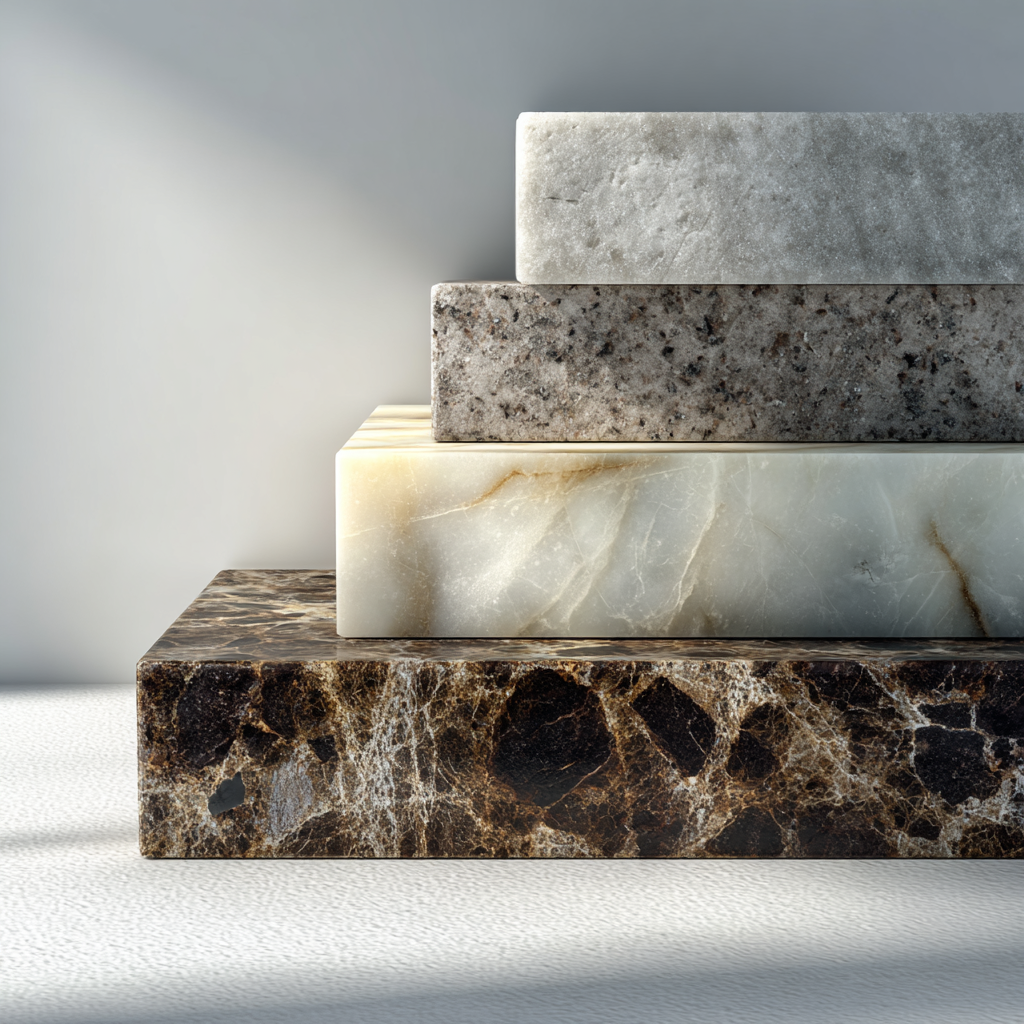
For homeowners comparing granite companies Delaware, Ohio, we recommend seeing full slabs whenever possible. Small samples can be helpful, but they rarely show the full personality of quartzite or the full pattern repeat of quartz.
How long does fabrication and installation take?
Most countertop projects take days to a few weeks after final measurements, depending on material availability, fabrication schedule, layout complexity, and cabinet readiness. The timeline is not only about cutting the slab.
The process usually includes material selection, project measurements, final template, fabrication, sink and cooktop cutouts, edge finishing, delivery, and installation. If cabinets are new, they must be installed, level, and secure before the final template.
Typical project steps include:
- Reviewing the kitchen layout and material options.
- Choosing quartz, quartzite, granite, marble, or another suitable surface.
- Confirming cabinet condition, including birch or plywood cabinet construction when relevant.
- Scheduling the template after cabinets are ready.
- Fabricating the slabs based on exact measurements.
- Preparing cutouts, edges, seams, and overhang details.
- Installing the countertop and checking the final fit.
granite Depot of Columbus focuses on accurate fabrication because small measurement mistakes can become visible once the countertop is installed. Good installation starts before the slab enters the kitchen.
Can quartz and quartzite both be used in bathrooms?
Yes, both quartz and quartzite can be used in bathrooms. Quartz is often easier for bathroom vanities because it resists moisture and does not need sealing. Quartzite gives a more natural stone look but needs proper sealing and care.
A bathroom countertop sees different wear than a kitchen. It may deal with water, toothpaste, makeup, hair products, soaps, and cleaning sprays. Quartz is practical because it handles many of those daily routines with less maintenance.
Quartzite can make a bathroom feel more custom and natural. It works especially well for larger vanities, statement powder rooms, and primary bathrooms where the stone is part of the design focus.
What mistakes should homeowners avoid when choosing between quartz and quartzite?
The biggest mistake is choosing only by appearance. A countertop should fit both the design and the lifestyle of the home.
A homeowner may love the look of quartzite but dislike the idea of sealing. Another may like the easy care of quartz but prefer the natural movement of stone. Those are valid tradeoffs, and they should be discussed before the purchase.
Common mistakes include:
- Assuming quartz and quartzite are the same.
- Choosing quartzite without understanding sealing.
- Choosing quartz without understanding heat limits.
- Judging the material only from a small sample.
- Forgetting cabinet support and levelness.
- Ignoring sink, faucet, and cooktop details.
- Comparing prices without comparing maintenance.
For granite companies Delaware, Ohio, clear explanation matters. A good countertop decision should feel practical, not rushed.
Which one should you choose for your home?
Choose quartz if you want easy maintenance, predictable color, strong stain resistance, and a practical surface for everyday use. Choose quartzite if you want natural stone, stronger heat resistance, unique veining, and a premium look.
There is no single winner for every home. The best countertop is the one that fits the way the household cooks, cleans, hosts, and lives. A family kitchen, a rental property, a luxury remodel, and a quiet bathroom vanity may all need different materials.
At granite Depot of Columbus, we help clients compare quartz, quartzite, granite, and marble side by side. Seeing the differences in person makes the decision much easier than trying to choose from photos alone.
FAQ
Is quartzite the same as quartz?
No. Quartz is engineered, while quartzite is natural stone. They have different maintenance needs and performance qualities.
Which is more expensive, quartz or quartzite?
Quartzite usually costs more. Quartz starts at $55 per sq ft, while quartzite starts at $75 per sq ft.
Does quartz need sealing?
No. Quartz does not need sealing because it is nonporous.
Does quartzite need sealing?
Yes, most quartzite countertops benefit from sealing to help protect against stains.
Which material handles heat better?
Quartzite usually handles heat better than quartz, but trivets are still recommended for all countertops.
Which material is easier to maintain?
Quartz is easier to maintain because it does not require sealing and resists stains well.
Can quartzite look like marble?
Yes. Many quartzite slabs have soft, dramatic veining that resembles marble, but quartzite is usually harder and more durable.
How long does installation take?
Many projects take days to a few weeks after final template, depending on material, fabrication details, and scheduling.
Where can homeowners near Delaware, Ohio compare quartz and quartzite?
Homeowners near Delaware, Ohio can visit our Columbus, OH showroom to compare quartz, quartzite, granite, and marble in person. We help with countertop selection, fabrication, installation, edge details, sink cutouts, and project planning.
Granite Depot of Columbus serves Columbus, OH and surrounding areas, including Delaware, Ohio. For questions about materials, pricing, timelines, or granite companies Delaware, Ohio, call (614) 660-5960, visit 845 Harrisburg Pike, Columbus, OH, or go to granitedepotcolumbus.com.