


Quartz countertops are a popular choice among homeowners due to their durability, versatility, and low-maintenance properties. However, many people wonder, “Can quartz be permanently stained?” As one of the most widely used materials in kitchen and bathroom countertops, it’s crucial to understand the benefits and potential drawbacks of quartz, particularly when it comes to stains and damage. In this article, we will explore the issue of staining on quartz countertops, why it happens, and how you can prevent it. We will also touch on how granite companies in Columbus, Ohio can help you choose the best materials for your countertop needs.
Granite companies in Columbus, Ohio often recommend quartz as an excellent alternative to natural stones like granite and marble. While quartz is known for its impressive stain resistance, it is not entirely impervious to damage. Understanding the proper care and maintenance required for quartz countertops will help you ensure that your countertop remains in pristine condition for years to come.
 Why Quartz Countertops Are Resistant to Stains
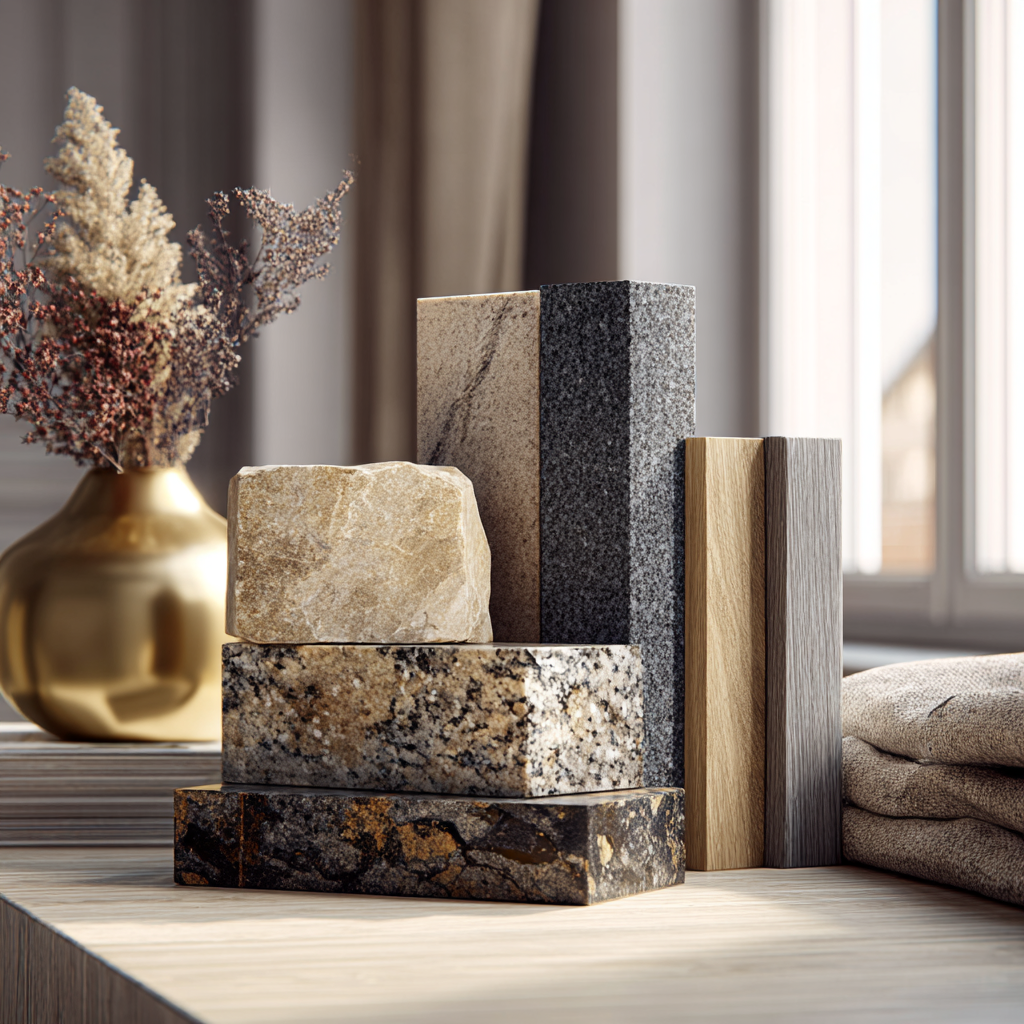
Before addressing the question of permanent stains, it’s essential to understand why quartz countertops are often considered more stain-resistant than their natural stone counterparts like granite and marble. Unlike natural stones, quartz is an engineered stone made from natural quartz crystals, resin, and pigments. This composite material is non-porous, meaning that it doesn’t absorb liquids or stains as easily as porous materials like granite or marble.
The non-porous nature of quartz makes it highly resistant to common kitchen stains like coffee, wine, or oil. Because liquids cannot penetrate the surface, they tend to remain on the surface for easy cleanup. This is one of the reasons why many homeowners turn to granite companies in Columbus, Ohio for quartz countertops when they seek a low-maintenance and durable option for their kitchen or bathroom.
However, while quartz countertops are highly resistant to stains, they are not entirely immune to certain substances that can cause discoloration or permanent marks if left untreated. Understanding what can cause staining and how to avoid it is key to maintaining your quartz countertop.
What Causes Stains on Quartz Countertops?
While quartz is known for its resistance to staining, there are some substances and conditions that can cause stains on the surface. The main factors contributing to staining on quartz countertops include:
a. Heat Damage
Quartz countertops are heat resistant to a degree, but they are not heatproof. Placing hot pots, pans, or cookware directly onto a quartz countertop can cause damage, including discoloration and potential burn marks. Although heat damage doesn’t typically result in permanent staining, it can cause the resin in quartz to soften or discolor, leading to visible marks.
b. Acidic Substances
Quartz is less likely to stain from acidic substances than marble or granite, but strong acids can still cause discoloration or permanent damage. For example, substances like lemon juice, vinegar, or bleach can break down the surface over time, leading to etching or dullness. If an acidic substance is left on the surface for an extended period, it can cause permanent discoloration.
c. Oil-Based Stains
Oil-based stains, such as those from cooking oils, can sometimes leave visible marks on quartz countertops, particularly if they are left on the surface for an extended period. While quartz is resistant to most stains, oil-based stains can leave a film or discoloration that may be difficult to remove without special cleaning products.
d. Pigmented or Dyes
Certain strong dyes and pigments can cause staining on quartz countertops. Foods with high pigments, such as berries, coffee, or sauces, can cause temporary discoloration if spilled and not cleaned up quickly. While quartz countertops are generally stain-resistant, pigments from certain foods or products can cause staining if left on the surface for too long.
e. Inappropriate Cleaning Products
Using abrasive cleaning products, rough scrubbing pads, or harsh chemicals on quartz can cause damage to the surface. While quartz is resistant to many common stains, cleaning with the wrong products can cause scratching, dulling, or discoloration. This is why it is essential to use cleaning products recommended by granite companies in Columbus, Ohio or the quartz manufacturer.
Can Quartz Be Permanently Stained?
The short answer is yes, but it’s unlikely. While quartz countertops are extremely resistant to stains, there are certain situations where stains can become permanent. The key to avoiding permanent staining is acting quickly and using the right cleaning methods to address spills and stains before they have a chance to set.
If a stain has penetrated the surface of the quartz or is caused by heat or acid damage, it may be challenging to remove. In these cases, the discoloration may become permanent. However, most stains on quartz countertops can be cleaned with mild soap and water, and occasional maintenance can prevent long-term damage.
To reduce the risk of permanent staining, it’s essential to:
-
Clean up spills promptly, especially from acidic substances, oils, and dyes.
-
Avoid placing hot pots, pans, or cookware directly on the surface.
-
Use coasters and cutting boards to protect the surface from damage.
-
Follow the care and maintenance recommendations from granite companies in Columbus, Ohio and the quartz manufacturer.
Preventing Stains on Quartz Countertops
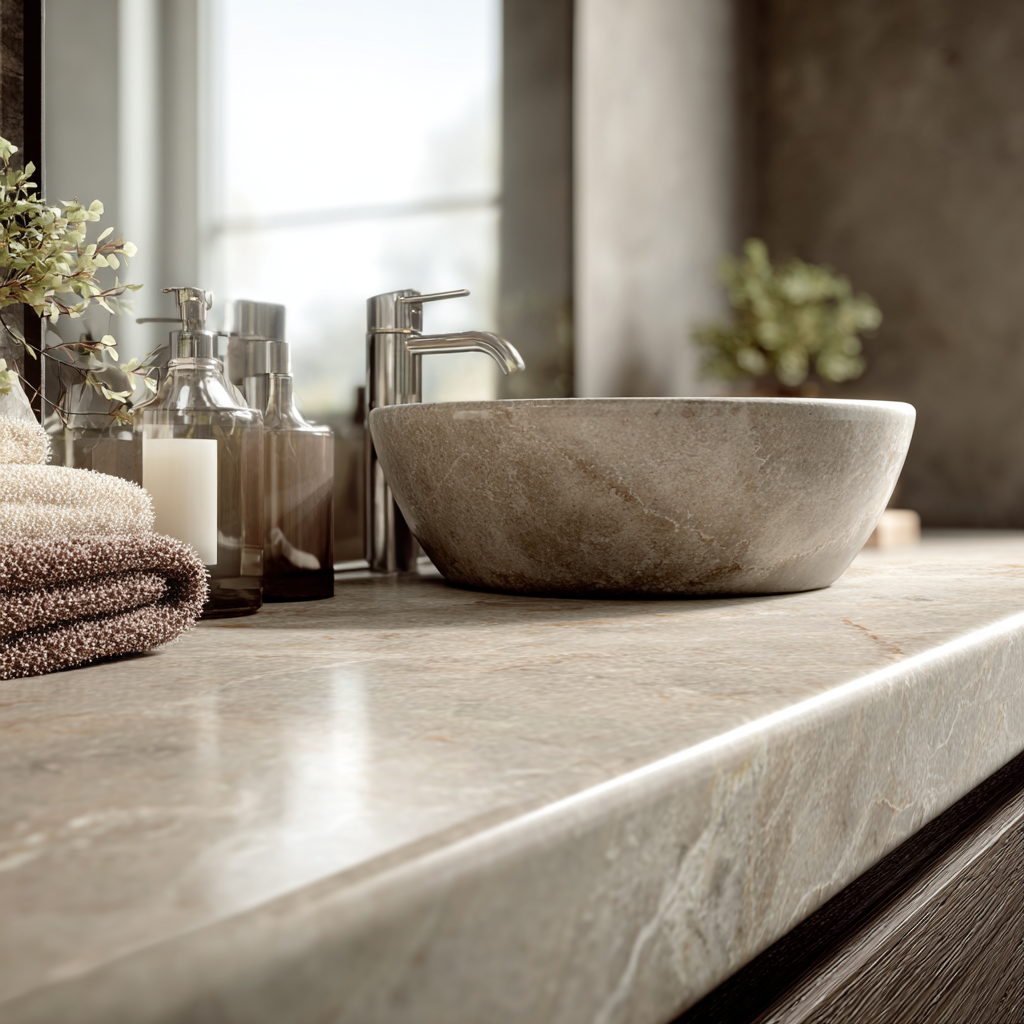
To ensure that your quartz countertops remain beautiful and free from permanent stains, here are some tips for proper care and maintenance:
a. Clean Regularly
Wiping down your quartz countertop regularly with a soft cloth and a gentle cleaning solution can help remove dirt, spills, and debris before they can cause stains. Use a mild soap or a cleaner designed specifically for quartz surfaces, as harsh chemicals can damage the stone.
b. Avoid Harsh Chemicals
While quartz countertops are durable, they are not immune to harsh chemicals. Avoid using strong chemical cleaners, bleach, or abrasive scrubbing pads, as these can damage the surface and cause discoloration. Stick to gentle, non-abrasive cleaners to keep the surface looking its best.
c. Use Cutting Boards and Trivets
To prevent damage from hot cookware or cutting utensils, always use cutting boards and trivets. This will help preserve the surface of your quartz countertop and prevent unnecessary wear and tear.
d. Resealing (If Needed)
Unlike granite countertops, quartz does not require sealing due to its non-porous nature. However, if your quartz countertop has a matte or rough texture, resealing may help enhance its appearance and protect it further. Always consult granite companies in Columbus, Ohio for advice on whether resealing is necessary for your specific quartz countertop.
e. Address Stains Immediately
If a spill occurs, especially from acidic or oily substances, clean it up immediately. The quicker you address spills, the less likely they are to cause permanent damage. For stubborn stains, a mild abrasive cleaner may be used carefully, but always consult with professionals if you’re unsure.
Why Choose Quartz Countertops?
Despite the potential for staining, quartz countertops in Mars Hill, NC, are an excellent choice for homeowners seeking durability and beauty. Quartz is a low-maintenance material that doesn’t require sealing like granite, and its non-porous nature makes it resistant to most stains. Additionally, quartz countertops come in a wide variety of colors and patterns, allowing you to find the perfect option for your kitchen or bathroom.
Quartz is also incredibly durable. It is resistant to scratches, stains, and chips, making it ideal for high-traffic areas such as kitchens and bathrooms. It also offers a consistent, sleek look, unlike granite, which can have natural variations in color and pattern. With proper care, quartz countertops in Mars Hill, NC, will last for years while maintaining their beautiful finish.
While quartz countertops are highly resistant to stains, they are not entirely immune to damage. Acidic substances, oils, and heat can cause discoloration or stains if left untreated. However, with proper care and maintenance, most stains can be avoided or easily removed, ensuring your countertops stay beautiful and functional for years to come.
For homeowners looking to install quartz countertops in Mars Hill, NC, Granite Depot of Columbus is the perfect choice for both quality and expert guidance. Whether you’re designing a new kitchen or remodeling an existing one, we offer a wide selection of quartz countertops that are both durable and stunning.
Contact us today for a free consultation, and let us help you choose the perfect countertop to complement your home. With the right care, your quartz countertops in Mars Hill, NC will remain beautiful for years.