

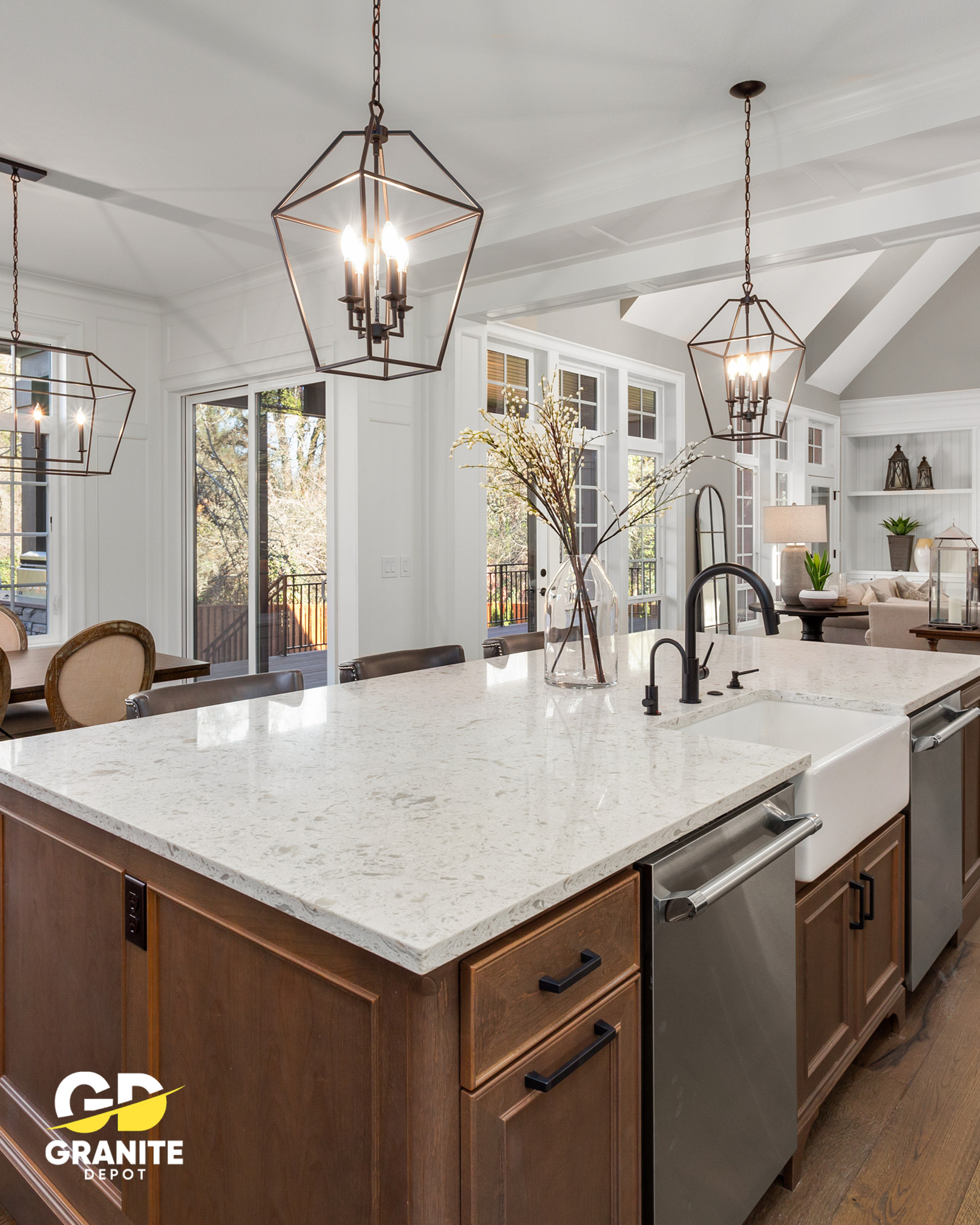
When homeowners begin exploring countertop options, they often encounter a confusing question: can natural stone be artificial? At first glance, slabs of granite, marble, quartz, or quartzite may look similar to engineered products that mimic their appearance. Yet, the difference between genuine natural stone and manufactured alternatives is significant. Knowing what sets them apart helps homeowners make confident, informed choices for their kitchens and bathrooms.
What Defines Natural Stone?
Natural stone is exactly what the name suggests—stone quarried directly from the earth. Granite, marble, quartzite, and other varieties are cut from massive slabs formed over millions of years. Each piece carries unique veining, mineral deposits, and patterns that cannot be replicated in a factory.
The authenticity of natural stone lies in its individuality. No two slabs are alike, which means when a homeowner selects granite or marble for their countertop, they’re choosing a surface unlike any other in the world. This uniqueness is a key reason why natural stone remains a favorite for homeowners seeking timeless beauty and originality.
The Rise of Engineered Stone
Engineered products, such as quartz countertops, are often mistaken for natural stone because they closely mimic the appearance of granite or marble. However, quartz countertops are man-made. They are created by combining ground natural quartz with resins, pigments, and polymers under high heat and pressure.
The result is a material that looks remarkably like natural stone while offering practical benefits such as non-porosity, stain resistance, and consistency in pattern. Engineered stone is not artificial in a “fake” sense—it still uses real minerals—but it is manufactured rather than quarried.
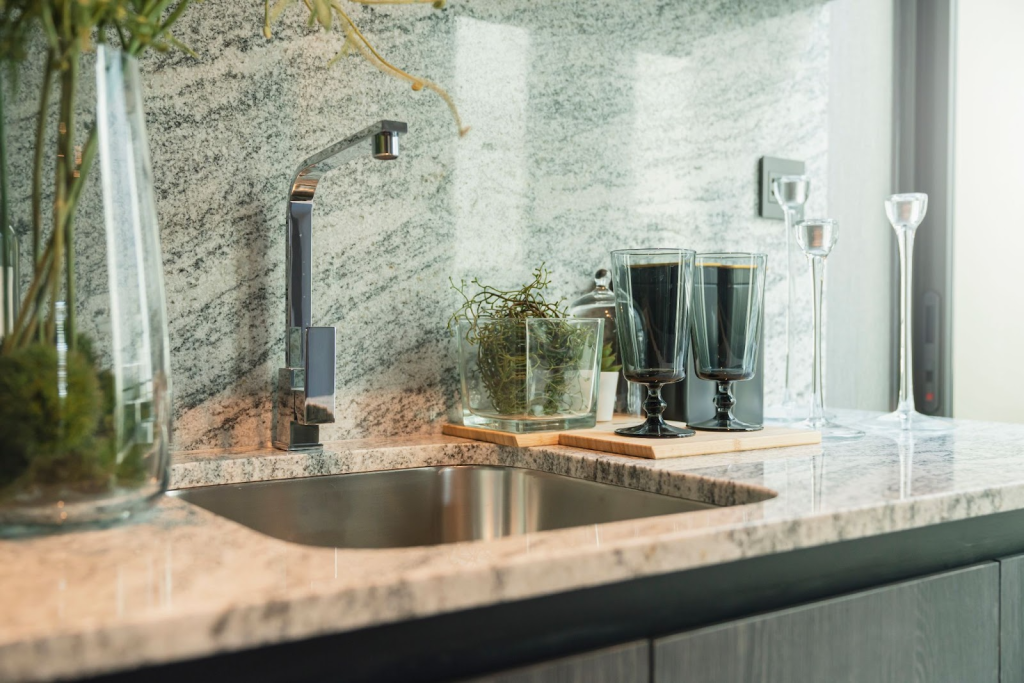
The Key Differences Between Natural and Engineered
To answer the question directly: natural stone cannot be artificial. What homeowners see in showrooms like Granite Depot of Columbus is authentic, earth-formed stone. What can sometimes create confusion is the wide popularity of engineered quartz, which blends natural minerals with man-made processes.
Here are the distinctions:
- Natural Stone: Quarried, one-of-a-kind, variations in color and veining, requires sealing.
- Engineered Stone: Factory-produced, consistent patterns, more uniform colors, typically does not require sealing.
Both types of stone have their place in modern homes. The choice depends on the balance between aesthetic preference and maintenance requirements.
Why the Debate Matters
Some homeowners hesitate between natural stone and engineered quartz because they worry about upkeep. Natural granite or marble requires periodic sealing to protect against stains, while quartz generally does not. On the other hand, natural stone offers unmatched authenticity, beauty, and resale value.
The question of “artificial vs. natural” really comes down to priorities. Those who want a surface that reflects millions of years of geological history often lean toward natural stone. Those who prefer predictability and ease may gravitate toward engineered quartz.
How to Choose What’s Right for You
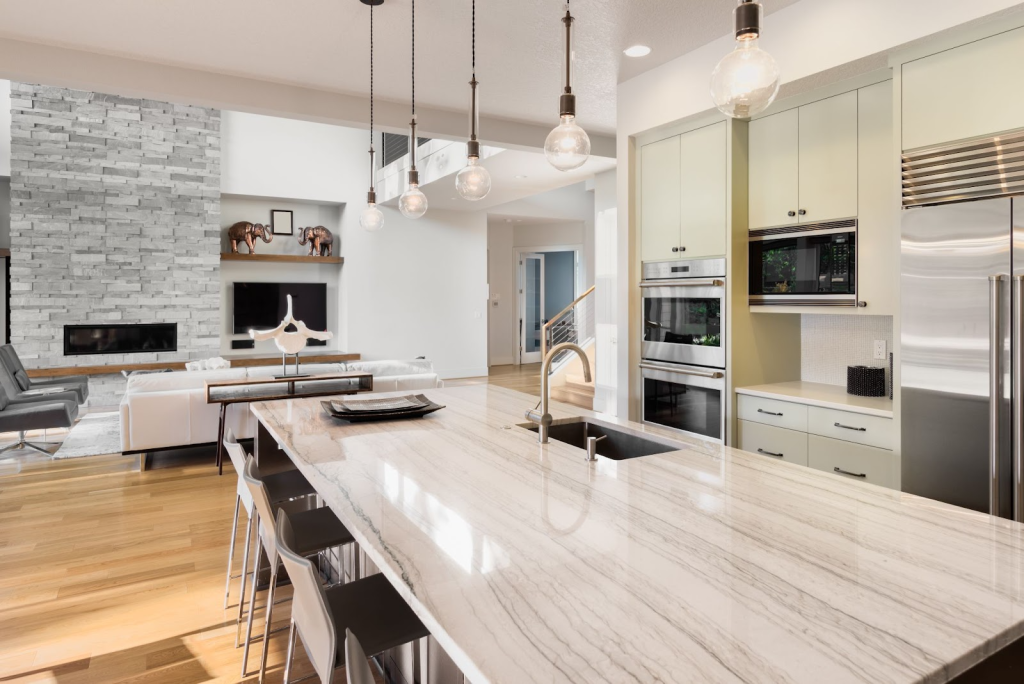
Showrooms like Granite Depot of Columbus make the decision easier by offering both natural stone and quartz options. Designers guide homeowners through side-by-side comparisons, allowing them to see and feel the differences in person. By touching the cool surface of marble or examining the deep veining of granite, clients can appreciate what makes natural stone so special.
Meanwhile, engineered quartz displays its strengths in consistency and practicality. Homeowners who want a worry-free, low-maintenance surface often find this option appealing.
The Value of Authenticity
Ultimately, natural stone cannot be artificial, because its value lies in its authenticity. The minerals, colors, and patterns created by the earth are unique to each slab. For many homeowners, this authenticity is part of the charm—owning a countertop that no one else in the world has.
Whether choosing the drama of granite, the elegance of marble, the strength of quartzite, or the uniformity of quartz, the most important step is to work with a trusted company that understands the difference. Granite Depot of Columbus ensures that every homeowner has the knowledge to make a choice that matches both lifestyle and design vision.